
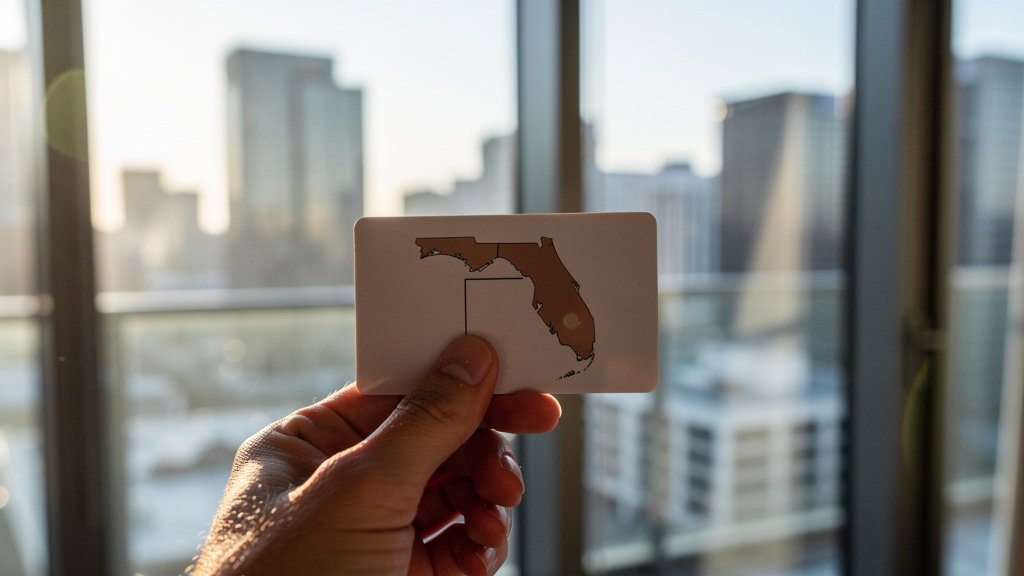
Commercial Hard Money Loan Strategies in Florida and Nevada
FlipFundingPro can explain exactly why the standard advice on commercial hard money loans misses the mark. It’s not about the interest rates or loan-to-value ratios alone. The real difference comes from understanding local market cycles, approval timing, and how private real estate loans fit into a larger investment strategy. Most brokers don’t get this—because they’re not actively negotiating deals across these two diverse markets.
Our experience spans everything from investment property loans in Miami-Dade to Nevada’s fast property financing deals in Reno and Las Vegas. If you want to grasp when a commercial hard money loan is the smart choice—and when it’s a costly detour—keep reading.
Commercial hard money loan strategies in Florida and Nevada focus on leveraging asset-based lending to secure fast, flexible financing for real estate investments, often prioritizing property value over borrower credit. Lenders in these states emphasize thorough due diligence on market conditions and exit strategies to mitigate risk and maximize loan performance.
The Part Most Companies Skip About Hard Money Lending Process
Most companies tell you that getting a commercial hard money loan is quick and simple: just hand over your property details and wait for approval. Here’s what our team has actually found: the hard money lending process is only fast if you come prepared with the right documentation and understanding of local lending nuances. For a comprehensive overview, see our comprehensive guide to Hard Money Loans in Florida and Nevada: The Complete Investor’s Guide.
In both states, lenders want to see clear proof of your exit strategy—whether it’s resale, refinance, or a 1031 exchange. We have seen many investors underestimate real estate loan approval time by weeks because they didn’t align their paperwork or market data with the local lenders’ expectations. In Florida, for example, lenders often require a Comparative Market Analysis showing neighborhood absorption rates and price per square foot trends. Nevada lenders typically focus more on NOI (Net Operating Income) and cap rates for investment properties, demanding detailed rent rolls and operating statements before signing off.
Knowing these subtleties will speed up approval—and save you costly delays. That’s why our team guides clients through customized market data preparation so they present the strongest case.
Why The Standard Advice on Hard Money vs Traditional Loans Is Usually Wrong
Almost every guide tells you traditional bank financing is cheaper and therefore better for commercial real estate. In Florida and Nevada, that’s usually wrong—and here’s why. The short answer: timing and flexibility often trump interest savings.
Traditional loans can take 45 to 90 days or longer to close in these markets, especially if underwriting includes FHA or SBA requirements. Commercial hard money loans, by contrast, typically close in less than 14 days. For projects in fast-moving submarkets like Miami’s Brickell or Las Vegas’s Summerlin, this speed can be the difference between locking a deal and losing it.
Plus, private real estate loans don’t require the same stringent credit scores or debt-to-income ratios. We have seen investors with solid assets but recent credit hiccups get stuck in a traditional bank loop while landing quick bridge loans in Florida to cover hurricane season repairs near Fort Lauderdale.
You pay a premium in cost of hard money loans compared to traditional loans—often 8% to 12% annualized versus 4% to 6% for banks—but that premium buys you agility and a shorter hold period. For short term real estate loans, especially those under 12 months, that trade-off often produces stronger net returns.
After a Storm: Observations on Florida and Nevada Market Patterns
Here’s something our team has noticed that few out-of-state lenders or brokers understand: Florida’s hurricane season and Nevada’s seasonal tourism cycles create very different investment rhythms affecting commercial hard money loans.
In Florida, especially along US-1 between Miami and Key Largo, storm damage often triggers a spike in demand for real estate bridge loans. Investors need quick capital to rehab and flip properties before hurricane season ends. Lenders familiar with these patterns—like those we work with—understand the urgency and require less red tape on turnaround time.
Nevada’s hot summer months slow down property sales, increasing inventory and giving investors more bargaining power—but financing can tighten as lenders recalibrate risk during these low absorption rates. Fast property financing in Nevada’s Clark County usually requires demonstrating strong cash flow projections to get lender buy-in.
Three Questions You Should Ask Before Choosing a Commercial Hard Money Loan
- What’s the real cost of hard money loans in Florida and Nevada? Beyond interest rates, ask about origination fees, prepayment penalties, and appraisal requirements. Rates hover around 8-12%, but fees can add 2-4% upfront.
- How does the lender evaluate property value? In Florida, are they referencing county appraisal district data? In Nevada, do they use NOI-based valuation tied to rent rolls? Understanding this affects your loan-to-value ceiling.
- What’s the typical real estate loan approval time? If your deal requires fast closing, you want a lender who can close in 7-10 days and provide transparent underwriting timelines.
Having navigated these questions for hundreds of investors, FlipFundingPro promises transparency: we will walk you through what your true costs are and make sure you’re never blindsided by terms buried in fine print.
Signs You Need Hard Money Lending Real Estate: A Diagnostic Checklist
- You need capital within 2 weeks to seize a deal.
- Your credit history or DTI disqualifies you from traditional bank loans.
- Your project timeline is under 12 months, with a clear exit strategy.
- You’re investing in a market segment with volatile absorption rates, like Florida multifamily or Nevada retail.
- You require flexible underwriting that accounts for unique local real estate cycles.
If you check even two of these boxes, hard money mortgage alternatives are worth a close look. Our team has helped clients switch seamlessly between conventional financing and private real estate loans to optimize cash flow and minimize holding costs.
FAQ: How to Qualify for Hard Money Loans in Florida and Nevada
Qualification for commercial hard money loans emphasizes collateral and exit strategy more than credit score. Here’s what lenders typically look for:
- Property value and condition: Loan amount typically maxes out at 65-75% of the property’s after-repair value (ARV) based on local market reports and appraisals.
- Exit plan: Documentation proving how you’ll repay—sale, refinance, or 1031 exchange—is critical.
- Borrower experience: While credit scores aren’t the primary factor, lenders appreciate a solid track record or real estate know-how.
- Proof of funds: For down payments and reserves.
Remember, the USA.gov recommends always confirming that private lenders are compliant with state regulations. For Florida and Nevada specifics, check out private money lending regulations in Florida and Nevada.
One Last Thing: Why We Choose Market Data Over Promises
FlipFundingPro doesn’t rely on gimmicks or generic market hype. When evaluating a commercial hard money loan for a client, our team pulls detailed Comparative Market Analyses in South Florida and market data for Henderson, NV. That way, we know the cap rate and NOI trends inside out. For example, a recent South Florida retail property showed a 7% cap rate with stable tenants—perfect for structuring a short term real estate loan that balances risk and yield.
This approach has helped close deals with clean titles, clear exit strategies, and no surprises. That’s how investors stay ahead in both Florida and Nevada markets, even when others get blindsided by zoning issues or HOA restrictions.
Remember: Commercial hard money loans aren’t a last resort. When used strategically, they’re a powerful tool for investors who want to move fast and keep options open. And that’s something FlipFundingPro is proud to deliver every step of the way.
For a deeper dive, we recommend checking out our post on Lending Real Estate in Florida and Nevada: What You Need to Know About Hard Money Loans to understand how this financing fits into your overall portfolio strategy.
People Also Ask
What is hard money lending in real estate in Florida and Nevada?
How do hard money loans differ from traditional mortgages in Florida and Nevada?
What are the typical interest rates for hard money loans in Florida and Nevada?
Can I use hard money loans to buy investment properties in Florida and Nevada?
What are the risks of using hard money loans for real estate in Florida and Nevada?
❓ Frequently Asked Questions
Submit your deal now or call us directly — most investors get a decision within hours.