
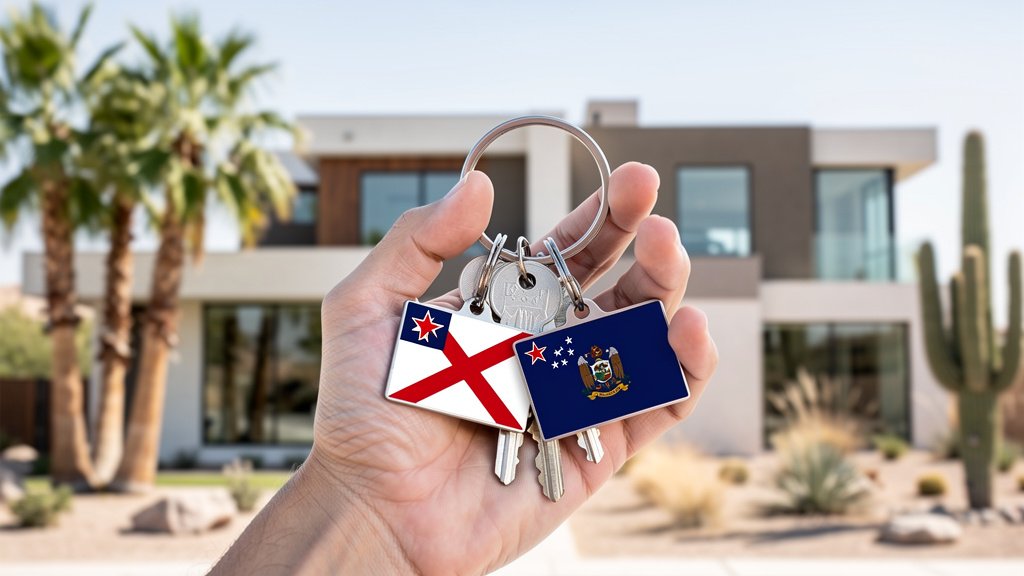
Lending Real Estate in Florida and Nevada: What You Need to Know About Hard Money Loans
FlipFundingPro can say this: the typical advice on lending real estate with hard money loans misses critical nuances that can affect your deal’s success and timeline. The standard narrative often overlooks how local market cycles, title insurance nuances, and financing specifics in Florida and Nevada shape every loan closing differently. That context matters when you’re navigating private money lending Florida or Nevada real estate hard money loans for your next investment.
Our team combines deep familiarity of market data—tools relied on daily to analyze market absorption rates, cap rates, and NOI, ensuring clients get the most out of their real estate investment loans in Nevada and Florida. Here’s a detailed look at what hard money lending really looks like here, what most agents won’t tell you, and how to avoid common pitfalls.
Hard money loans in Florida and Nevada provide fast, asset-based financing primarily used for real estate investments, with higher interest rates and shorter terms than traditional loans. These loans rely on property value rather than credit scores, making them ideal for investors needing quick capital or properties in need of renovation. Understanding state-specific regulations and lender requirements is essential for successful hard money lending in these markets.
The Part Most Companies Skip: Why the Hard Money Loan Closing Process Is More Complex Than Advertised
Most companies tell you a hard money loan closing is quick and straightforward—because it often can be—but here’s what our experience shows: the devil’s in the details, and those details are local. Many lenders gloss over the importance of the title insurance requirements in Nevada and Florida, especially how they can delay closing or add unexpected costs. For a comprehensive overview, see our Hard Money Loans in Florida and Nevada: The Complete Investor’s Guide overview.
For example, in Florida, title insurance for hard money loans has particular underwriting nuances because of the state’s unique property history and disclosure laws. Meanwhile, Nevada’s market—especially areas like Henderson and Summerlin—requires extra diligence on title encumbrances, HOA liens, and zoning compliance. These issues can stall a loan approval time by several days or more if not properly anticipated.
When preparing clients for the hard money loan closing process, our team always emphasizes getting early title reports and working with underwriters familiar with investment-grade properties. We have witnessed cases where ignoring these warnings made a supposedly “fast” loan drag on, costing investors thousands in bridge financing fees or lost deal opportunities.
Local Market Patterns That Change Everything for Hard Money Lending Real Estate
Here’s something few out-of-state brokers know: Florida and Nevada are worlds apart not just in weather or culture but in how their real estate markets breathe and evolve. In Florida, especially in markets like Fort Lauderdale and Miami-Dade County, the absorption rate fluctuates sharply around hurricane season—investors tend to pull back, and the days on market stretch out, which can affect your exit strategy when using short-term real estate financing Nevada or Florida.
In Nevada, the strong rental demand in areas like Las Vegas and Reno means many real estate investment loans move faster. But watch this: during peak tourist seasons, price per square foot spikes have been observed that don’t always correlate with NOI increases. This can mislead investors who rely only on cap rates without a solid comparative market analysis (CMA).
Another key difference: Florida’s property tax dynamics and the possibility of 1031 exchanges often play a bigger role in how our team advises clients on private lender real estate loans there. In contrast, Nevada’s zoning restrictions and HOA permit rules, especially around condo conversions, require careful due diligence upfront.
How to Get a Hard Money Loan in Florida Without Surprises
The short answer: start with a clear understanding of your investment’s projected NOI—net operating income—because hard money mortgage lenders in Florida typically lend based on the property’s after-repair value (ARV) and the borrower’s experience.
Here’s a quick checklist shared with clients to avoid surprises:
- Confirm your property’s current and projected market value with a CMA from market data.
- Get an early title commitment to uncover any liens or judgments—especially important for hard money lenders Florida require.
- Prepare your financials and investment plan—lenders want to see your exit strategy clearly.
- Ask about the lender’s typical approval time; expect anywhere from 3 to 10 business days depending on the deal complexity.
- Understand hard money loan interest rates Florida lenders charge; they often range higher than traditional loans but reflect the short-term risk.
Don’t gloss over title insurance for hard money loans. In both Nevada and Florida, lenders often require specific endorsements or coverage levels due to property tax or HOA issues. That’s why we recommend working with title companies experienced in these markets—this saves headaches in closing and reduces the risk of last-minute hold-ups.
Why FlipFundingPro Stopped Following the Standard Advice on Hard Money Loan Interest Rates in Florida
You’ll see most guides recommend fixed interest rates around 10–12% for hard money loans, especially in Florida’s hot markets. Our team stopped doing it that way after seeing how many clients got stuck paying more than they budgeted because of balloon payments or variable rate clauses.
Here’s our take: negotiate transparency on all fees and ask if the lender’s rates adjust after a certain period. Some private money lending Florida operations embed processing fees into the APR, making the rate look lower upfront, but the real cost is higher. That’s why we always parse the loan documents carefully, explaining every fee and rate component to clients before they sign.
Also, some lenders in Florida offer interest-only payments during the loan term, which can improve cash flow if you plan to flip. But if your timeline slips, that short-term financing can quickly become expensive. We have seen investors burn out because they didn’t factor in these nuances.
The Real Pros and Cons of Hard Money Loans Across Florida and Nevada
Most investors think fast money equals easy money. That’s true to an extent, but here’s what our team tells clients after a decade of close involvement:
- Pros: Speed of approval and funding, less stringent credit requirements, flexibility in underwriting based on property value not personal credit.
- Cons: Higher interest rates and fees, shorter loan terms (often 6-18 months), potential for complications with title insurance and HOA restrictions.
What you don’t hear much about is how these loans interact with 1031 exchange strategies. If you’re planning to defer capital gains tax through a 1031, the timing of your hard money loan payoff and property acquisition needs to be laser-precise. Our team uses market data to map market cycles to help clients avoid costly tax pitfalls.
Real Estate Hard Money Lending FAQs: What We Get Asked Most Often
- How long does hard money loan approval take? Usually 3-10 business days, but it depends on title clearance and property specifics.
- Is title insurance required for hard money loans? Yes, nearly always. Requirements vary by state and lender.
- What interest rates can I expect in Florida and Nevada? Typically 8-14%, but some lenders offer tailored rates based on deal size and borrower experience.
- Are there risks with short-term real estate financing in Nevada? Yes, timing is critical—market shifts can reduce your exit options.
- How do private money lending regulations affect my loan? Regulations differ; for a detailed overview, check out this resource.
What a Fair Hard Money Lending Real Estate Price Looks Like Locally
We rarely see a one-size-fits-all price range for these loan products. That said, experience suggests that:
- Origination fees are commonly 2-4% of the loan amount.
- Interest rates can vary widely but generally land around 10-12% for short-term loans.
- Loan-to-value (LTV) ratios typically max out at 70%, sometimes less with riskier properties.
Here’s a rule of thumb: If your loan package includes undisclosed fees, or the lender is unwilling to share their title insurance partner, that’s a red flag. We always advise clients to ask for a full Good Faith Estimate upfront and to compare across at least three lenders before committing.
People Also Ask
What is hard money lending in real estate in Florida and Nevada?
How do hard money loans differ from traditional mortgages in Florida and Nevada?
What are the typical interest rates for hard money loans in Florida and Nevada?
Can I use hard money loans to buy investment properties in Florida and Nevada?
What are the risks of using hard money loans for real estate in Florida and Nevada?
❓ Frequently Asked Questions
Final Thoughts on Navigating Lending Real Estate in Florida and Nevada
Hard money lending real estate in Florida and Nevada demands more than just knowing the basics. Market cycles, title insurance nuances, and lender transparency all influence your outcome. FlipFundingPro guides clients through these complexities with clear, honest advice and thorough due diligence via market data.
If you want to avoid the common traps and save time and money, start by asking lenders about their closing process specifics and title insurance requirements in your state. That knowledge alone can prevent unexpected delays and costs. Remember, private lender real estate loans can be powerful tools—but only when you know how to wield them correctly.
For those curious about how hard money loans really work in our markets, we recommend reading what are hard money loans and how do they work in Florida and Nevada? It’s one of the clearest overviews available that breaks down the real mechanics behind the scenes.
Submit your deal now or call us directly — most investors get a decision within hours.